← Every fish

0 guides · 0 waters

Rainbow trout and steelhead fishing guides

One fish, two lives. The rainbow is the stocked trout of streams and ponds across the region; the steelhead is the same fish grown big and silver in the Great Lakes, running up the tributary rivers in spring and fall for the hardest-fighting trout fishing there is.

About rainbow trout and steelhead

Rainbow trout and steelhead

Oncorhynchus mykiss

How to know it

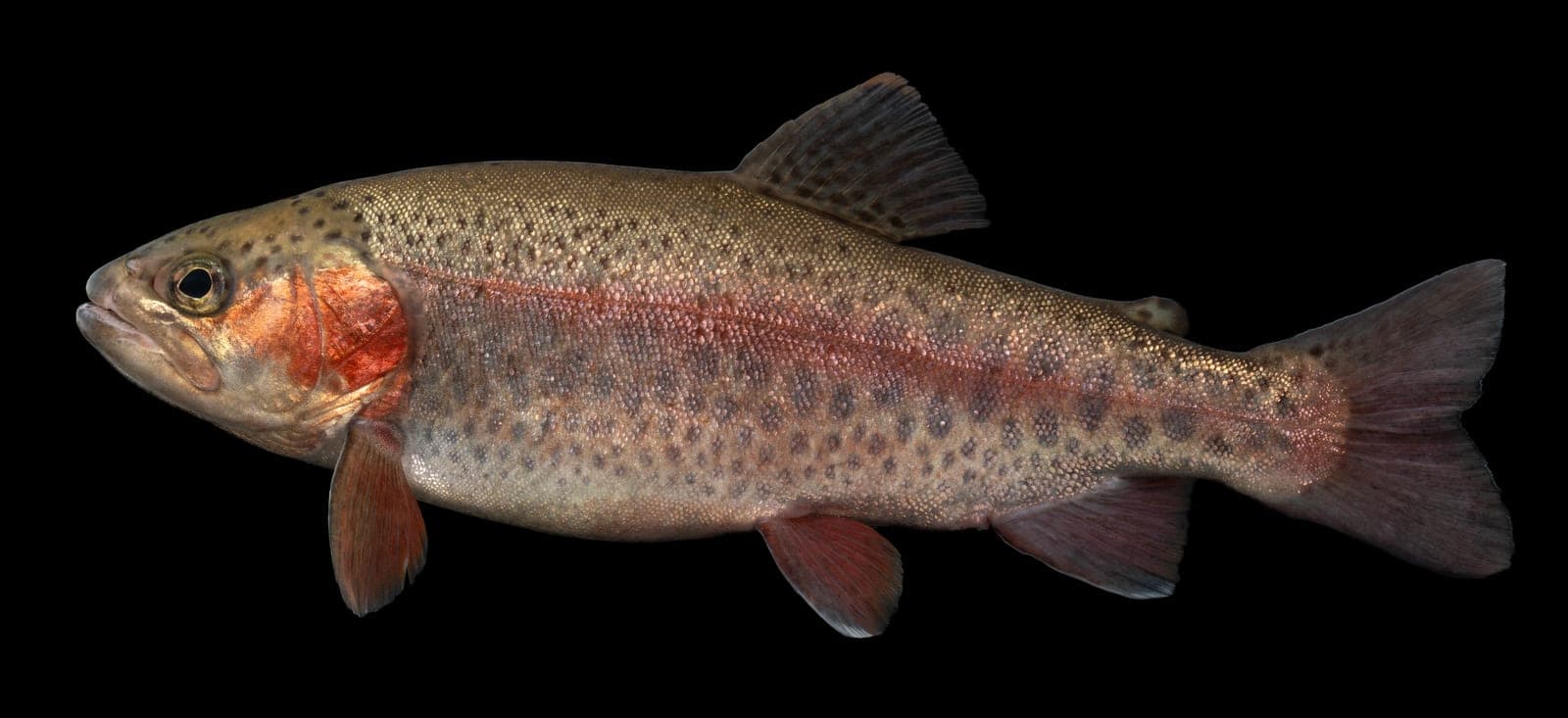
A rainbow trout is silver to green with a pink or red stripe down the side and small black spots over the body, the head and the whole tail. A steelhead is a rainbow that has lived in a big lake: chrome silver when fresh from the lake, with the stripe faint or absent, taking on color the longer it is in the river. The spotted tail is the mark that separates both from a brown trout; the dark spots on a light ground separate them from brook and lake trout.

Where it lives

Rainbows are a Pacific fish, brought east in the 1800s and now stocked in streams, ponds and lakes across the Upper Midwest, with naturalized populations in some. The steelhead story is the Great Lakes: fish stocked in Superior, Michigan and Huron live in the open lake and return to the tributaries — the Brule, the Knife, the rivers of Michigan's west coast, the streams of Wisconsin's Lake Michigan shore — to spawn. In a river a steelhead holds in deeper runs, behind boulders and at the tails of pools; in the lake it follows the cold water and the baitfish.

Through the year

Stream rainbows fish like any trout, through the hatches of spring and the early mornings of summer. Steelhead are the seasonal event. Fall brings the first fish into the rivers with the cooler water and rain, and they hold through winter wherever the river stays open. Spring is the main run, the fish moving up to spawn as the ice goes out and the water rises; the states manage this run closely with seasons, limits and refuges. Through summer the fish are back in the lake, caught by trolling offshore and, in June and July on Superior, along the shore in the surf.

How guides fish for it

Steelhead in a river means drift fishing: a float and a spawn bag, bead or jig drifted through a run; bottom-bouncing with yarn or spawn; swinging flies with a two-handed rod; nymphing with an indicator. The guide reads the river's level and color, knows which runs hold fish on which flow, and keeps the angler's drift honest for hours between fish. On the lake it is trolling with spoons and plugs off boards and downriggers, or casting from a boat in the shallows in spring and fall. Stream rainbow trips use the same methods as any trout trip, often with beginners, because a stocked rainbow is a willing fish.

Handling and release

Steelhead are released on most guided trips and are strong enough to swim off well if kept in the water. Hold the fish in the current until it leaves on its own. Stocked stream rainbows are often kept where the rules allow.

Rules

Steelhead and trout rules are detailed and change with the season and the stream, including closed stretches near spawning areas. The Wisconsin DNR and the Minnesota DNR publish them, and a guide will know the ones for the water you are on.

A rainbow trout, side on, with the pink stripe and spotted tail
USFWS Mountain-Prairie Region, Public domain

At a glance

Scientific name
Oncorhynchus mykiss
Family
Salmon and trout
Also called
Rainbow, Bow, Steelie, Kamloops
Size
Stream rainbows mostly run 8 to 14 inches. Great Lakes steelhead commonly run 5 to 10 pounds, and larger.
Season
Stream rainbows follow the trout seasons. Steelhead run the rivers in fall and again from late winter into spring, and are caught offshore and along the shore in summer.

Guides who fish for rainbow trout and steelhead

No guide has listed rainbow trout and steelhead yet. If you guide for them, set up your service, add your waters and tick the fish.
Set up your service

Other fish with a guide

Every fish

How a trip gets booked

Pick your days

Specific days, a whole month, or any time. The day isn’t reserved yet.

The guide answers

They confirm a day, or tell you straight that it won’t work.

You’re booked

Nothing is charged until they confirm. Then your trip page has where to meet, when to be there and what to bring.